

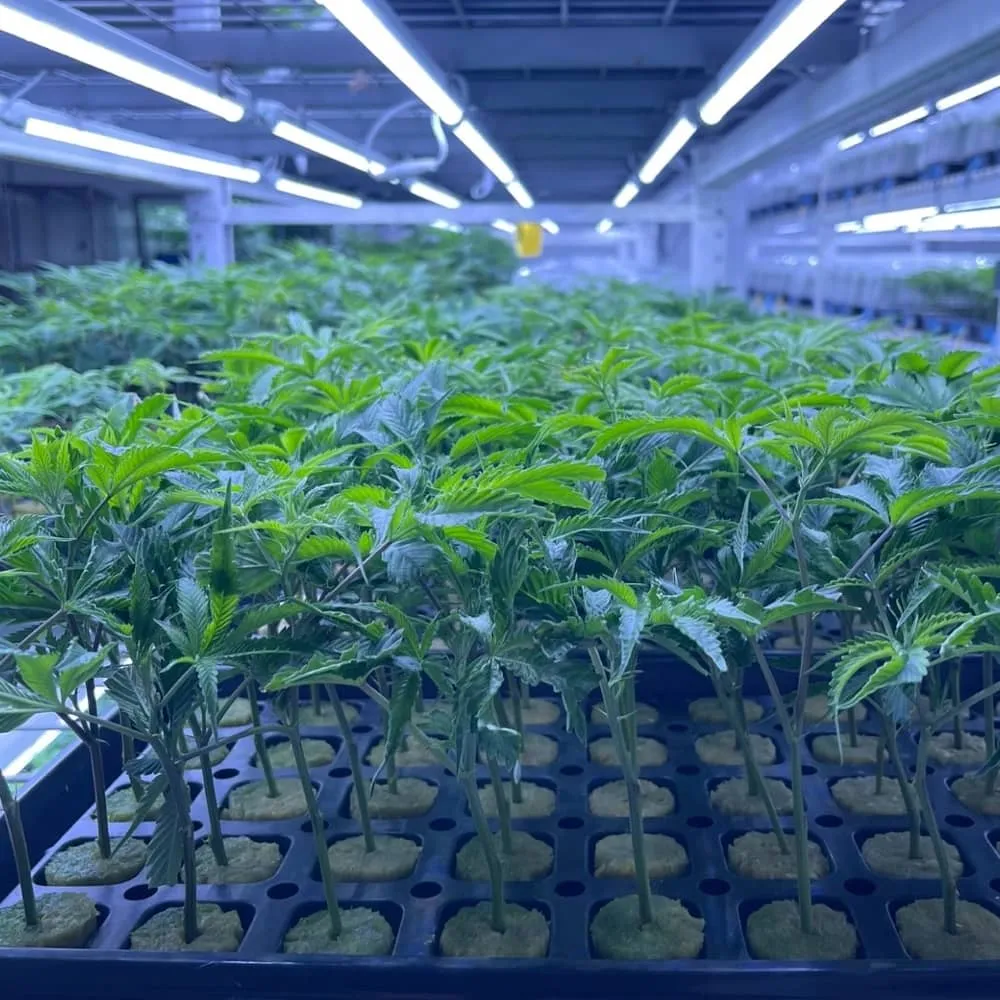
Maine’s seasonal conditions can influence how a live cannabis plant should be ordered, transported, and received. Cold weather, warm summer vehicles, coastal humidity, and rapid temperature changes may all affect a young clone. Buyers reviewing Cannabis Plants for Sale should consider not only the strain and price, but also plant stage, supplier standards, packaging, delivery timing, and the environment prepared at the destination.
Confirm That the Purchase Is Lawful
State rules may interact with municipal requirements, age limits, medical provisions, plant limits, property agreements, and commercial licensing. Buyers should consult current official sources before placing an order. A product listing does not prove that delivery or cultivation is permitted at every address.
Renters and residents of managed properties should also review private restrictions. Legal and property checks are easier to complete before payment than after a plant is already in transit.
Identify the Exact Product
A listing should distinguish between a rooted clone, a teen plant, and another form. These products require different containers, space, and acclimation periods. Approximate height, container type, and root development should be clear.
People comparing clones for sale maine should ask whether the photograph represents the likely fulfillment size and whether plants in a multiple order will be reasonably similar. Clear stage information prevents the buyer from preparing for a small cutting and receiving a much larger plant.
Examine Genetic Transparency
The seller should identify the variety and explain whether the cutting came from verified female mother stock. Useful descriptions include general structure, flowering time, and broad environmental suitability. Popular names should not replace accurate records.
Descriptions must also remain realistic. Plant height, timing, and performance are influenced by light, temperature, humidity, containers, water, and daily care. A responsible seller describes common tendencies without guaranteeing exact outcomes.
Evaluate Plant-Health Standards
Buyers should look for information about root development, stem stability, active growth, and visible pest inspection. A nursery should screen for webbing, unusual spotting, severe wilting, damaged tips, and weak rooting before fulfillment.
Living plants naturally vary, and minor transport stress can occur. However, severe damage or obvious pest activity should not be normalized. Clear reporting and replacement policies show how the seller handles serious concerns.
Consider Winter Transport
Cold exposure can damage tender foliage and roots quickly. Buyers should ask how the seller protects plants during low temperatures and whether fulfillment is postponed during unsafe conditions. Packages should not be left on a porch or in an unheated vehicle.
Someone should be available to receive the order immediately. The plant can then be moved into a stable indoor area and unpacked carefully. Sudden placement next to a heater should also be avoided because rapid warming and dry air may add stress.
Consider Warm-Weather Delivery
A closed vehicle can become dangerously hot even when the outdoor temperature seems moderate. Buyers collecting plants should travel directly to the destination and avoid leaving them in a parked car. Containers need to remain upright and protected from direct sunlight.
For shipped orders, the customer should review the expected transit time and tracking information. Delays matter more with a living product than with ordinary supplies.
Prepare a Stable Receiving Area
The receiving space should have moderate light, gentle airflow, and appropriate temperature. New plants should be inspected separately from an established garden when possible. Check leaves, stems, growing media, and visible roots for damage or pests.
Take photographs and keep labels attached. If the order includes several varieties, organized records prevent mix-ups. Suspicious plants should remain isolated while the concern is investigated.
Acclimate Gradually
Nursery conditions may differ significantly from the buyer’s indoor room, greenhouse, or lawful outdoor environment. A clone raised under moderate light should not move immediately into intense sun or a powerful fixture. Increase exposure gradually while watching the plant’s response.
Humidity and airflow may also change. Stable conditions allow the plant to adjust and make symptoms easier to interpret. Several simultaneous changes should be avoided.
Check Moisture Before Watering
The container may arrive wet, dry, or somewhere between. Check the medium below the surface and consider the container’s weight. Watering automatically can create root-zone saturation, while ignoring a dry plant can extend transport stress.
Record the first few watering decisions. Maine’s indoor heating and seasonal humidity may change how quickly the medium dries. Observation is more reliable than a fixed calendar.
Review the Seller’s Communication
A dependable supplier should provide accurate availability, realistic size information, clear fulfillment windows, and practical arrival guidance. Because live inventory changes, buyers should confirm the desired variety and quantity close to the order date.
Policies should state the reporting window and the evidence required for damage or shortages. Vague terms are a warning sign, especially when seasonal transport creates additional risk.
Compare Total Value
Price should be weighed alongside genetics, root quality, plant stage, packaging, support, and delivery planning. A cheaper plant may not provide good value if it arrives weak or poorly identified.
Larger buyers should request written quantities, size standards, lead times, and transport details. This helps align nursery production with the receiving facility.
Ask How Weather Delays Are Handled
A responsible seller should explain whether a delivery can be held when extreme cold, heat, or storms create an avoidable risk. Buyers should know who decides to reschedule, how they will be contacted, and whether tracking information will change. Flexible fulfillment may be more valuable than a promise to ship on a fixed date regardless of conditions.
Create an Arrival Checklist
The checklist can include receiving the package promptly, checking labels, photographing the plant, inspecting both sides of the leaves, confirming container stability, and reviewing the medium before watering. A repeatable process reduces rushed decisions and ensures that important details are not missed.
Final Thoughts
Maine buyers can reduce live-plant risk by combining legal verification, accurate product information, responsible seasonal transport, and a prepared receiving area. The climate does not prevent successful delivery, but it makes timing and handling more important.
A healthy plant needs a stable transition. Prompt receiving, careful inspection, gradual acclimation, and measured watering allow the buyer to respond to the plant’s actual condition. When the listing and delivery plan are reviewed together, the purchase becomes more informed and manageable.
