

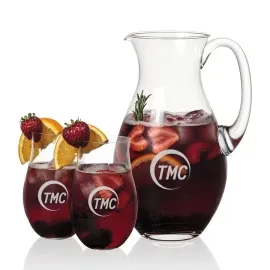
Brand visibility does not come from putting a logo on the first giveaway you find. The strongest promotional products are the ones people actually use, keep, and encounter repeatedly. A personalized beer pitcher, for example, can keep a brand present during gatherings, celebrations, and customer events instead of disappearing into a drawer. The real value of promotional merchandise comes from creating useful, recurring brand exposure without making the product feel like an advertisement.
Why Useful Products Create Stronger Brand Recall
A promotional product has a better chance of being remembered when it has a purpose beyond displaying a company logo. People naturally keep products that make their routines easier or more enjoyable.
Consider products such as:
● Reusable drinkware for offices, events, and travel
● Tote bags for shopping, commuting, and conferences
● Notebooks and pens for everyday professional use
● Apparel for employees, events, and community activities
● Tech accessories for modern workplaces
● Drinkware for hospitality and customer appreciation
The common factor is usability. When recipients continue using an item, they repeatedly encounter the brand printed or engraved on it. That creates ongoing exposure without requiring another advertising interaction.
Drinkware Can Become a Powerful Brand Touchpoint
Drinkware has an advantage that many promotional products do not: it can move between professional and social settings. A branded mug may sit on a desk every morning. A reusable bottle may travel between the office, gym, and home. Glassware can appear at dinners, celebrations, corporate events, and hospitality settings.
A custom glass pitcher can be particularly useful for brands that want promotional merchandise connected to entertaining or customer experiences. Depending on the campaign, it can work well for:
● Corporate gifting
● Hospitality promotions
● Restaurant and beverage businesses
● Client appreciation events
● Wedding and event-related businesses
● Employee recognition programs
Apparel Turns Customers and Employees Into Brand Ambassadors
Branded clothing can extend visibility far beyond the original point of distribution. T-shirts, polos, jackets, caps, and other wearable products can appear in offices, public spaces, sporting events, community activities, and conferences.
For better results, businesses should consider:
● Comfort: People are more likely to wear comfortable apparel.
● Design: Modern, understated branding often has broader appeal.
● Quality: Durable materials help prevent the item from being discarded.
● Audience: Choose styles that match the age, profession, and interests of recipients.
● Occasion: Event apparel should fit the setting and purpose of the campaign.
When people willingly wear branded merchandise, the company receives exposure in places its marketing team may never directly reach.
Office Merchandise Still Works
Even as workplaces become increasingly digital, physical office products continue to have practical value. Pens, notebooks, calendars, desk accessories, folders, and organizers can keep a company’s name visible throughout the working day. The key is to select products that genuinely fit the recipient’s routine.
A business could consider:
● A premium notebook for clients or executives
● A practical pen for conferences
● A desk accessory for employee gifting
● A reusable bottle for workplace wellness initiatives
● A technology accessory for remote employees
Event Giveaways Need More Than a Logo
Trade shows, conferences, festivals, and networking events provide valuable opportunities for promotional products. However, attendees often collect large quantities of merchandise, which means generic giveaways can quickly become forgettable.
Businesses can improve the experience by connecting the product to the event.
For example:
● A travel accessory can support a business conference.
● Outdoor merchandise can suit a sporting event.
● Drinkware can complement a hospitality campaign.
● Tech accessories can appeal to a technology-focused audience.
● Wellness products can fit health and fitness events.
What Should Businesses Consider Before Ordering?
Choosing promotional merchandise should involve more than comparing unit prices. Before placing an order, businesses should evaluate:
1. Audience relevance: Will recipients actually find the product useful?
2. Brand alignment: Does it reflect the company’s image and values?
3. Product quality: Will people want to keep it?
4. Visibility: Will the logo remain noticeable during regular use?
5. Distribution: Where and how will the merchandise be given away?
6. Campaign objective: Is the goal awareness, customer appreciation, lead generation, or employee engagement?
7. Long-term value: Can the product continue generating impressions after the initial interaction?
These considerations can help businesses avoid spending their promotional budget on products that generate attention for only a few minutes.
Conclusion
The most effective promotional merchandise does not necessarily need to be unusual or expensive. It needs to be useful, relevant, well made, and appropriate for the people receiving it. Drinkware, apparel, office accessories, bags, technology products, and event merchandise can all contribute to stronger brand recognition when selected thoughtfully.
Businesses should evaluate popular promotional items based on their ability to remain useful and visible rather than choosing products simply because they are trending. BRAVA Marketing helps businesses explore branded merchandise options that can support different campaigns, audiences, and customer experiences while keeping brand visibility present beyond the initial marketing interaction.
